
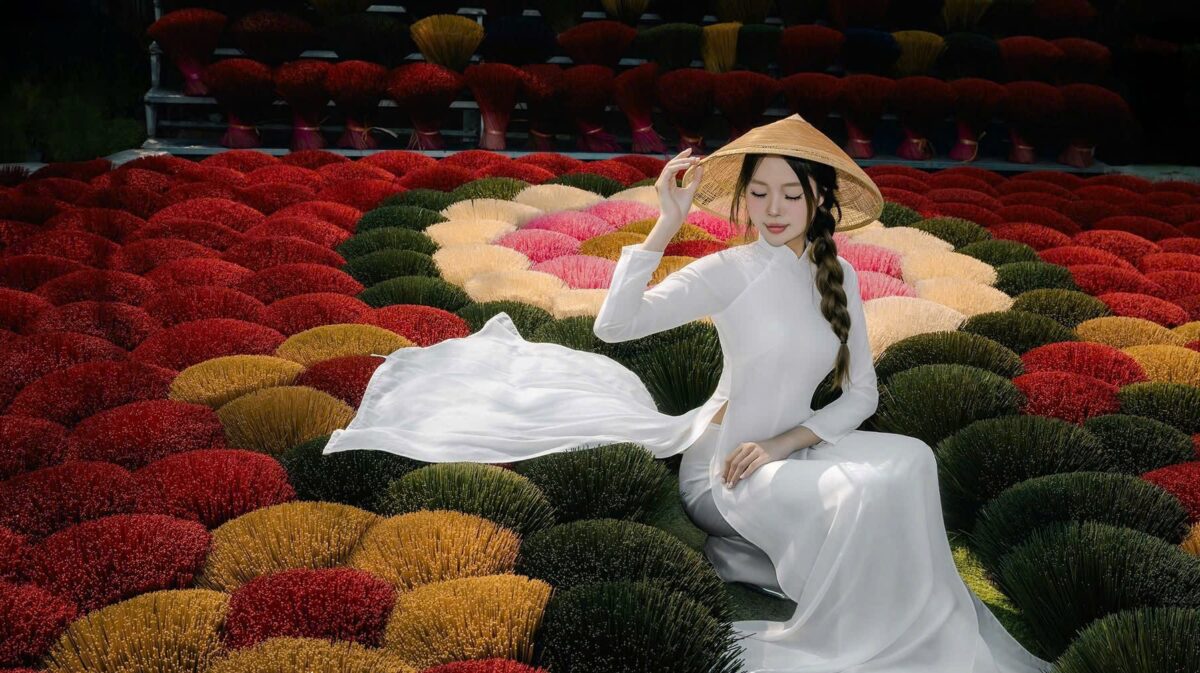
Hanoi to But Thap Pagoda & Dong Ho Painting Village Full-Day Private Car Tour Led by Women
ITINERARY: Hanoi – Red River Delta Countryside – But Thap Pagoda – Historic Buddhist Sculptures – Dong Ho Folk Painting Village – Bac Ninh to Hanoi
Stage 1: 8:00 AM – Private Pickup and Cultural Journey from Hanoi
Meet your female tour leader and driver at your Hanoi hotel before setting off in a private car for Bac Ninh Province. This full-day excursion introduces two important aspects of northern Vietnamese heritage: Buddhist religious art and traditional folk painting.
As you travel beyond the capital, observe the changing landscape of the Red River Delta, including cultivated fields, village houses, local roads, and agricultural communities. Your guide introduces the historical identity of Kinh Bac, a region recognized for its religious traditions, village culture, and contributions to Vietnamese music and handicrafts.
Learn how pagodas served as spiritual centers while traditional craft villages developed skills that were passed from one generation to another. This background helps connect the religious architecture you will encounter at But Thap Pagoda with the artistic traditions you will discover later at Dong Ho Painting Village.
The private vehicle allows you to travel comfortably and enjoy direct transportation between destinations without coordinating with a larger tour group.
Stage 2: 9:30 AM – Discover the Historic Grounds of But Thap Pagoda
Arrive at But Thap Pagoda and explore its historic temple complex with your female tour leader. The pagoda is one of Bac Ninh’s best-known Buddhist heritage sites, particularly notable for its traditional architecture and exceptional religious sculpture.
Walk through the courtyards and observe the arrangement of temple buildings, traditional tiled roofs, wooden architectural elements, and decorative features. Your guide explains how Buddhist temples were designed to accommodate worship, ceremonies, and the preservation of religious objects.
As you move through the accessible areas, learn about the importance of craftsmanship in historic Vietnamese religious architecture. Carved details, structural arrangements, and sculptural decoration reveal the skills of artisans who contributed to the development of the complex.
The visit also introduces the relationship between Buddhism and village communities in northern Vietnam. Pagodas were not simply architectural landmarks; they formed part of the spiritual and cultural life of surrounding settlements.
Stage 3: 10:45 AM – Appreciate the Thousand-Armed Avalokitesvara Statue
Spend additional time discovering the Buddhist sculpture for which But Thap Pagoda is particularly renowned. Its celebrated thousand-eyed, thousand-armed Avalokitesvara statue is an outstanding representation of the bodhisattva associated with compassion.
Your female tour leader explains how the statue’s many arms and eyes represent the ability to respond to suffering and observe the needs of living beings. The sculpture illustrates the way religious beliefs were translated into complex visual forms by Vietnamese artisans.
Learn to recognize the details of traditional Buddhist imagery, including symbolic gestures, ornamental elements, and the careful arrangement of figures. Depending on access, you may also observe other religious sculptures and decorative works within the complex.
Your guide explains the importance of respectful conduct at an active place of worship. Guests should follow posted rules, avoid disturbing ceremonies, and ask before photographing restricted interiors or religious activities.
This focused visit gives travelers time to appreciate the pagoda’s artistic significance rather than simply passing through the site for a quick photograph.
Stage 4: 12:00 PM – Lunch and an Introduction to Bac Ninh Food Culture
Continue to a local restaurant for lunch, taking a break between the morning’s architectural exploration and the afternoon’s folk-art discovery.
Your female tour leader helps you select from the available menu and explains how northern Vietnamese meals combine rice, vegetables, soups, and shared dishes. Depending on the restaurant, the meal may feature tofu, chicken, pork, fish, seasonal vegetables, or other locally available foods.
As you dine, learn more about the role of food in Vietnamese family and village life. Meals often emphasize balance, fresh ingredients, and a variety of complementary flavors, with dishes placed at the center of the table for sharing.
Dietary requests can be discussed with your guide before ordering, although particular dishes depend on the restaurant’s ingredients and preparation facilities. After lunch, enjoy a short rest before traveling to Dong Ho Painting Village.
Stage 5: 1:15 PM – Explore Dong Ho Painting Village and Its Folk-Art Traditions
Arrive at Dong Ho Painting Village to discover a traditional art form that has long been associated with Vietnamese seasonal celebrations and household decoration. Historically, Dong Ho paintings were especially popular around Lunar New Year, when families displayed auspicious images and scenes reflecting their wishes for the coming year.
Your guide introduces familiar themes in the paintings, including animals, family relationships, village activities, celebrations, and symbolic expressions of prosperity. Learn how artists used simple compositions, distinctive outlines, and contrasting colors to communicate stories and ideas recognizable to local communities.
Discover the traditional production process involving carved wooden blocks and separate color applications. The paper used in traditional Dong Ho works may be prepared with điệp shell powder, giving it a distinctive surface that catches the light.
If a participating artisan workshop is open, examine printing blocks, materials, and finished works while learning about the skill required to align each printed layer. A demonstration or hands-on activity may be possible when offered locally, but workshop access and availability cannot be guaranteed for every visit.
Before leaving, browse available paintings and handicrafts if you wish to support local artisans or select a cultural souvenir.
Stage 6: 3:00 PM – Scenic Return Drive and Drop-Off in Hanoi
After completing the village visit, return to your private car for the journey back to Hanoi. Your female tour leader can summarize the main cultural highlights, from the religious symbolism of But Thap Pagoda to the stories and auspicious imagery of Dong Ho folk art.
During the return drive, enjoy the countryside views and ask any remaining questions about northern Vietnam’s history, architecture, traditional crafts, or village life.
Arrival in Hanoi is expected at approximately 4:30–5:00 PM, subject to traffic and the actual duration of the itinerary. Your driver will drop you at your hotel or another agreed city-center location.
The Hanoi to But Thap Pagoda and Dong Ho Painting Village Full-Day Private Car Tour Led by Women offers a balanced introduction to religious heritage and traditional artistic expression. It is ideal for travelers who want to explore beyond Hanoi with personalized guiding, comfortable transportation, and meaningful cultural context.